Experiential marketing
Brand ambassador staffing: how I build a team for the interaction.
The staffing plan should explain who does the work, how they prepare and what happens when the event gets busy.
The key decisions
- Size the team around the interaction and peak demand, with setup, breaks and replenishment accounted for.
- Use observed practice to check readiness, including questions the ambassador should escalate.
- Give a field lead responsibility for quality, operating decisions and a useful daily report.
What should a brand ambassador staffing plan include?
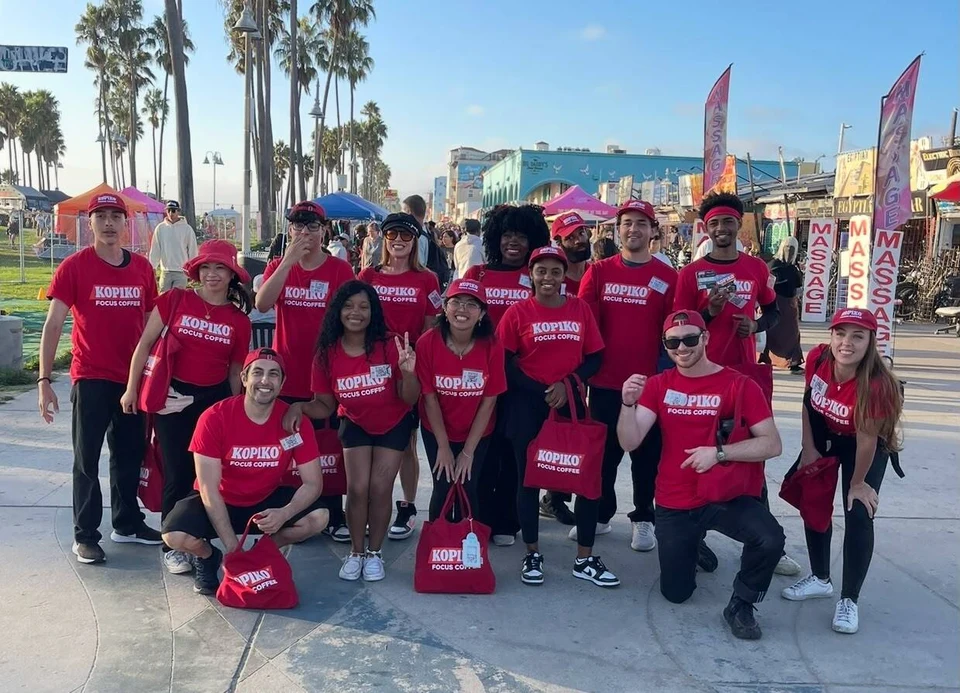
A brand ambassador staffing plan needs defined roles, a realistic workload, product training, supervision and a way to resolve problems. I would start with the conversation we want a visitor to have, then work backward to the people and preparation it requires. A headcount and an hourly rate leave too many decisions unanswered.
The O*NET profile for demonstrators and product promoters includes explaining products, practicing demonstrations and recording event information. That breadth matters. I want the assignment to recognize the full job, including preparation and reporting, instead of treating every person as interchangeable coverage.
Separate the roles before counting the people.
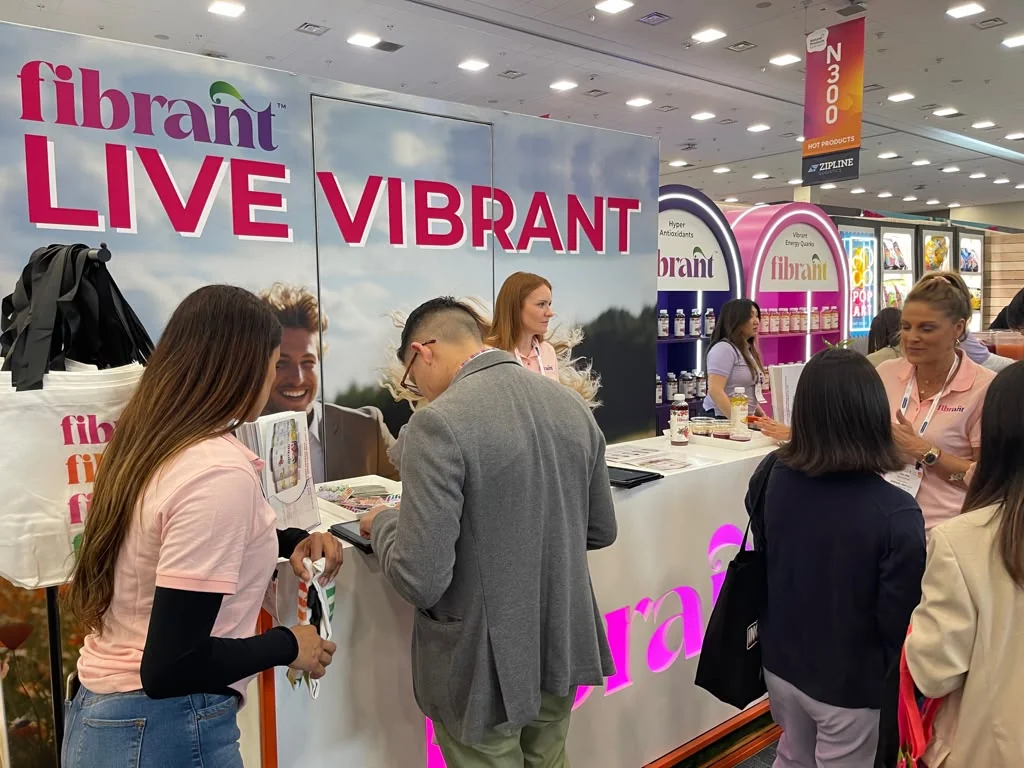
At a simple sampling station, one person may welcome visitors while another manages product and answers questions. A complex demonstration may need a trained specialist, a queue host and someone who records requested follow-up. Those jobs can be combined only when the work and the physical setup make that realistic.
I would write a one-sentence responsibility for each role and identify who has authority to make a decision. The field lead should know who can approve an equipment change, resolve a missing delivery or respond when a visitor asks something outside the approved product information. A specialist should not discover on site that they are also expected to unload the vehicle throughout operating hours.
The schedule must include setup, briefing, breaks, replenishment and closeout. If a person is away collecting stock, that is time unavailable for visitors. Plan the coverage explicitly rather than expecting the team to make an optimistic headcount work.
Estimate capacity, then rehearse the busiest period.
I use a simple planning calculation: available interaction minutes divided by average minutes per interaction. This estimates service capacity under the stated assumptions. It is not a forecast of attendance, a performance quota or a substitute for observing the actual flow.
For example, assume a hypothetical demonstration takes four minutes and each demonstrator has 45 minutes per hour available after transitions and other tasks. One person can serve roughly 11 visitors per hour; three can serve roughly 33. If the planning estimate is 60 interested visitors per hour, three demonstrators cannot deliver that format to everyone. The team must change capacity, booking, routing or the experience.
Hourly averages also conceal bursts. I would rehearse arrivals in groups and see where the queue forms. A faster introduction might help, but shortening the product explanation could defeat the objective. Sometimes a separate discovery area or scheduled demonstration is the better choice. Confirm the final plan with observed interaction times and a reasonable margin for variability.
Train for decisions, then watch people practice.
The training should end with a demonstration of readiness. I want the ambassador to explain the product accurately, ask a relevant question, deliver the activity and guide the participant to an appropriate next step. Reading a deck is preparation for that assessment, not the assessment itself.
The CDC’s Quality Training Standards, developed for public-health training, emphasize learning objectives, participation, feedback and learner assessment. I find those learning-design principles useful here. The field exercises below are my application to brand work; they are not a CDC certification or an endorsement of an AIM program.
I would rehearse four situations: an interested visitor with little time; a skeptical visitor with a difficult question; someone who needs a different language or accessible way to participate; and a request the team cannot responsibly answer. The useful response to uncertainty is to acknowledge it and find the right person, rather than invent an answer.
A short reference sheet should cover approved claims, the product or demonstration sequence, where to buy, escalation contacts and the reporting definitions. If the brand is serving audiences in more than one language, have a qualified speaker check the actual conversation—not just the translated slide deck.
Give the field lead a quality checklist.
I would check these items before opening and revisit them when conditions change:
- Readiness: people are present, role assignments are understood and the necessary product or equipment is available.
- Accuracy: a sample of observed conversations matches approved information and includes the intended next step.
- Flow: visitors can understand the invitation and move through the activity without an unmanaged queue.
- Support: breaks and replenishment have coverage, and the team knows who can resolve an issue.
- Reporting: counts use the agreed definitions and record interruptions, stockouts and recurring questions.
I would judge the team on the quality of the assignment it can control. Counting every passerby as an engagement makes the report look better while making the next staffing decision worse. The distinction between participation and an actual customer response is explored in my guide to what happens after a live event.
Brief the next shift with what the last one learned.
A useful debrief identifies the questions people repeatedly asked, where the queue slowed, when supplies ran low and which next step people understood. Record enough context to act, rather than collecting pages of notes that nobody reviews. If one repeated question exposes a gap in the briefing, correct the approved guidance before the next shift.
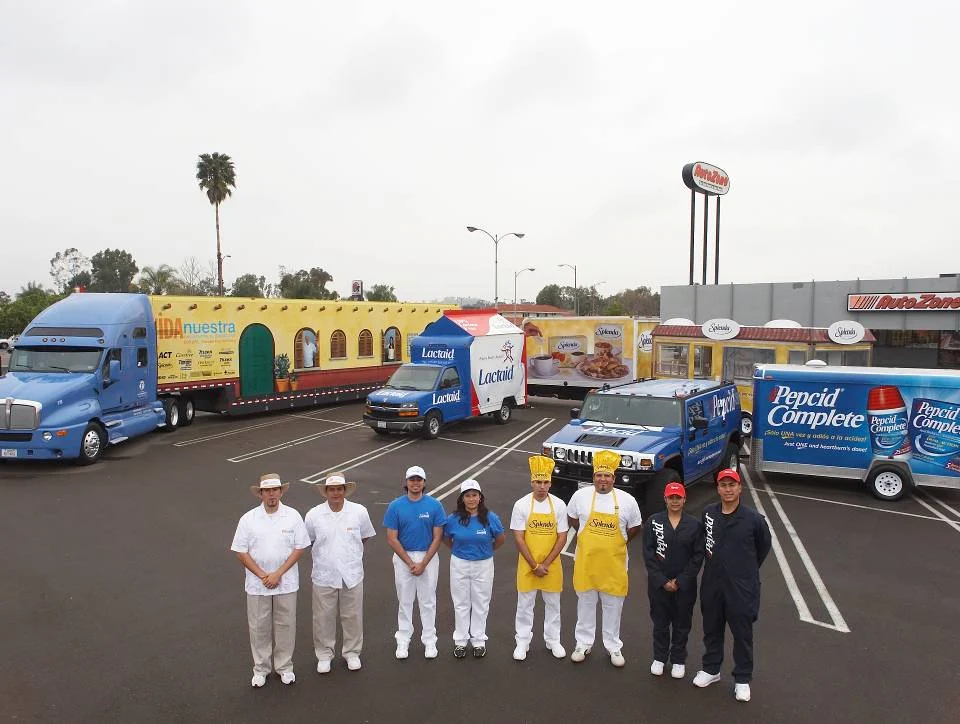
For a multi-city roadshow, I would keep the core product explanation consistent while documenting local adjustments. Teams should receive the current version and know what changed. A market-specific improvement should not quietly turn into a new claim about the product.
If you need brand ambassadors or event staffing, tell AIM the format, location, dates and conversation you want your audience to have. That gives us a starting point for the right mix of people, preparation and field support.
From thinking to action
Put it to work.
Bring these three decisions to your next planning conversation.
Use this checklist as you plan.
Common questions
How many brand ambassadors does an event need?
There is no useful universal ratio. Estimate the duration of the interaction, the peak number of interested visitors and the time each person is available to serve them. Add coverage for setup, breaks, replenishment and supervision, then rehearse the flow.
What should brand ambassador training cover?
Cover the audience, approved product information, the activity, purchase or follow-up options, operating responsibilities and escalation. Use realistic practice conversations and observation to check readiness before the public arrives.
How should an agency report staffing performance?
I would ask for attendance and coverage, meaningful interactions under an agreed definition, observed execution quality, recurring questions and operating interruptions. Keep requested follow-ups separate from general participation and foot traffic.
Sources & context
- O*NET: Demonstrators and Product Promoters
Occupational task reference, including product explanations, rehearsal and demonstration reporting; not a staffing-ratio benchmark.
- CDC Quality Training Standards
Public-health training design reference. The article adapts general learning principles; no CDC certification, endorsement or event-performance claim is made.
Read our editorial standards for how we handle authorship, sources and corrections.
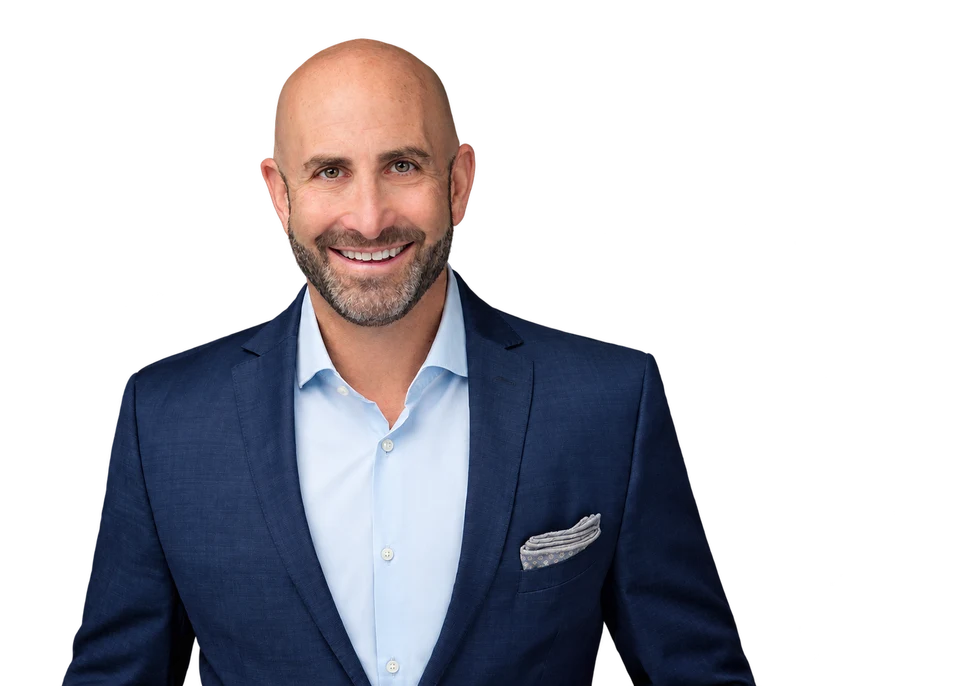
About the author
Jeff Symon
Jeff Symon founded AIM in 1997, beginning with retail merchandising, in-store product sampling and event marketing. His work spans brand launches, live experiences, media, U.S.–Mexico market entry and executive leadership. He remains directly involved in client strategy and assembling the teams that deliver it.
What does this mean for your business?
Bring your goals, questions and constraints. We’ll start there.
Talk through your next experienceExplore Experiential marketing.