Experiential marketing
Experiential roadshow planning: prove the route before you scale.
A route should follow the customer opportunity. I would prove the experience, the operating plan and the next step before adding cities.
The key decisions
- Shortlist markets using customer fit, commercial readiness and viable venues before drawing the route.
- Test a defined question and compare equivalent operating costs and useful interactions.
- Scale the delivery model that works, with consistent training, counting and follow-through.
What makes an experiential roadshow worth scaling?
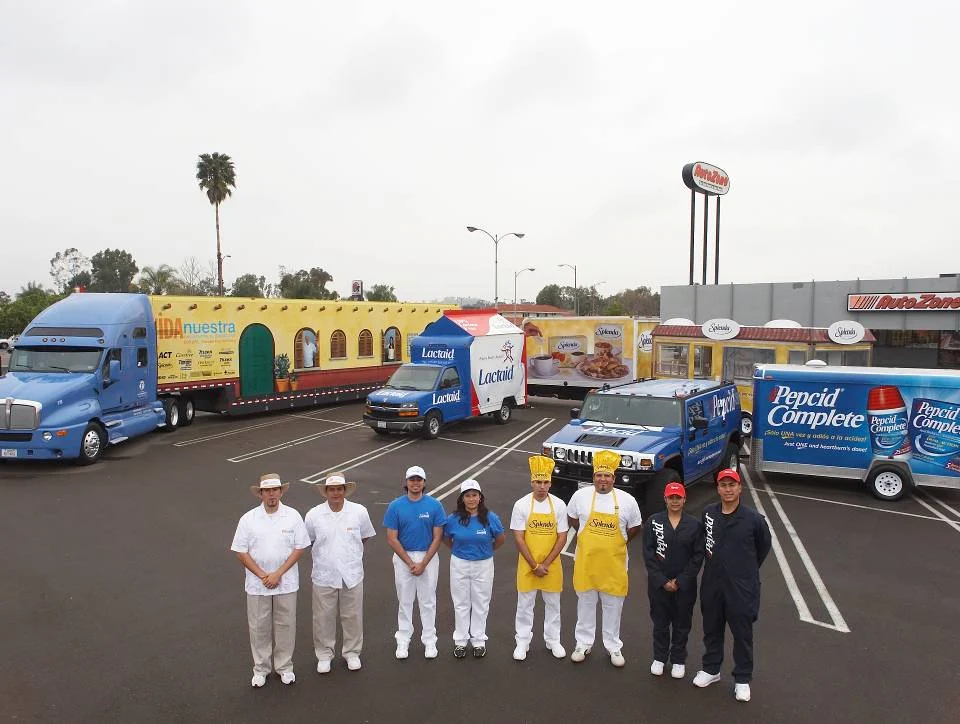
An experiential roadshow is a brand experience delivered across multiple locations. I would plan it by choosing reachable customers, confirming a useful interaction and a purchase or follow-up path, then testing a small route. Expansion should follow evidence that the experience works and can be repeated at an acceptable cost.
A nationwide map can make a proposal look ambitious. The harder question is what each stop contributes. If a market cannot buy the product, a venue misses the intended audience or travel consumes the working week, more cities may simply reproduce the same weakness. I would rather leave the pilot with a clear operating decision than a large attendance total.
Choose markets where interest can become action.
I would separate market selection from venue selection. First decide where the business can serve demand: stocked retailers, delivery coverage, available sales support or a local distribution partner. Then examine where the intended people can realistically encounter the activation. A strong metropolitan market can still contain an unsuitable event.
The U.S. Census Bureau’s Census Business Builder provides demographic and economic data, maps and geographic comparisons. I would use it to develop a shortlist, alongside the brand’s own sales and distribution information. Area-level data describe a market; they do not prove who will attend a particular venue.
For each candidate, I want the same four answers: who is reachable, why they would participate, where they can take the next step and what it will cost to operate there. A local partner’s enthusiasm is useful context. I would still ask for audience evidence, access details and a confirmed commercial reason for the stop.
Build the route around productive days.
The shortest driving route is only one input. I would lay out load-in windows, activation hours, travel, replenishment, maintenance and recovery time on the same calendar. A six-hour consumer event can require work on the days before and after it. Counting only the public-facing hours hides capacity and cost.
A touring build can keep the experience consistent, while local teams can contribute market knowledge. The choice depends on what has to travel: a specialist demonstrator, a particular vehicle, trained technical staff or simply reusable equipment. I would price those alternatives before treating one large branded truck as essential.
For outdoor stops, NOAA’s U.S. Climate Normals provide historical seasonal context. They are not an event-day forecast. I would combine that context with the venue’s operating plan, current forecasts nearer the event and clear decisions about relocation, postponement or cancellation.
Make the pilot test a question.
I would select a small cluster that lets us learn without committing the whole program. The question might be whether a guided demonstration produces better follow-through than a quick sample, or whether a retail-adjacent site reaches more eligible buyers than a general festival. Write that question into the experiential brief.
Keep the core offer, counting rules and training consistent when comparing stops. Record differences that could explain performance: trading hours, stock availability, weather, nearby promotions and the mix of visitors. Changing the offer, site type and staffing at once may produce an interesting day without telling us what to repeat.
I would also capture objections in the team debrief. “I cannot find it locally” calls for a distribution response. “I did not understand what it does” suggests a demonstration problem. Raw participation totals cannot distinguish those decisions.
Compare stop economics with a worked example.
Consider a hypothetical pilot, not an AIM result or an industry benchmark. Stop A costs $6,000 and delivers 300 completed demonstrations to people meeting the agreed audience criteria. Stop B costs $4,500 and delivers 150. Cost per completed, audience-qualified demonstration is $20 at A and $30 at B. The less expensive stop has the higher cost per useful interaction.
That calculation is a starting point. Both totals must include comparable costs: crew, venue, travel, logistics and an agreed share of the reusable build. I would also compare requested next steps, availability of the product and quality of the conversations. If B reaches a smaller group of high-value prospective buyers, the $30 interaction may still be the better investment.
Before adding stops, I would write a scale decision: repeat, revise or stop. Set an affordable cost range and minimum delivery standards before seeing the results. A pilot can identify a promising route; a few non-random locations cannot establish that the same result will hold nationwide.
Give every stop the same operating checklist.
- Audience and venue: confirmed dates, access, participation assumptions and the intended customer action.
- Product and equipment: stock, replenishment owner, setup instructions, power needs and backup arrangements.
- People: named field lead, trained representatives, shift coverage and escalation contacts.
- Customer journey: working destination, clear follow-up invitation and a receiving team prepared to respond.
- Learning: one counting method, actual costs, field observations and a decision after each stop.
The repeatable element should be the quality of delivery. Local language, venue conditions and customer questions deserve adaptation. My brand ambassador staffing and training guide develops that people side of the plan.
Expand the strongest operating model.
I would review the pilot with the people responsible for sales, operations and the field work. If one stop attracted the right audience but lost follow-up requests, fix the handoff before paying for another market. If the program works but the travel pattern is expensive, redesign the route.
Bring AIM the markets you are considering, product availability, timing and the outcome you need. We can discuss a roadshow pilot around those constraints. For me, a stronger national program begins with a smaller plan that answers the right questions.
From thinking to action
Put it to work.
Bring these three decisions to your next planning conversation.
Use this checklist as you plan.
Common questions
How many cities should an experiential roadshow start with?
There is no universal minimum. I would choose the smallest cluster that can answer the pilot’s question within the budget, while allowing enough repetition to spot delivery problems. The next expansion should depend on what the pilot teaches.
How do you choose roadshow locations?
Begin with where the intended customer can buy or act, then check audience fit, venue access, operating dates and logistics. Use market data to shortlist areas and specific venue evidence to choose stops.
What should a roadshow pilot measure?
Track comparable operating cost, completed interactions with the intended audience, requested next steps and delivery issues. Where outcomes can be observed, follow them through. Keep market differences visible so a busy stop is not automatically declared the winner.
Sources & context
- U.S. Census Bureau — Census Business Builder
Primary source for geographic demographic and economic research tools; not a forecast of event attendance.
- NOAA NCEI — U.S. Climate Normals
Historical climate information for seasonal planning; not an event-specific forecast.
Read our editorial standards for how we handle authorship, sources and corrections.
About the author
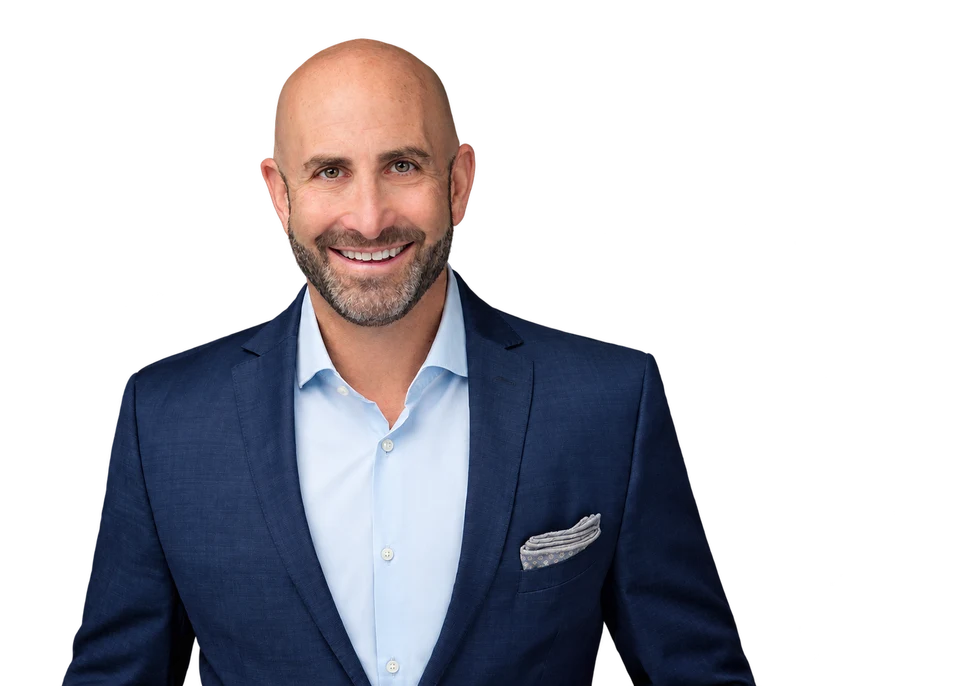
Jeff Symon
Jeff Symon founded AIM in 1997, beginning with retail merchandising, in-store product sampling and event marketing. His work spans brand launches, live experiences, media, U.S.–Mexico market entry and executive leadership. He remains directly involved in client strategy and assembling the teams that deliver it.
What does this mean for your business?
Bring your goals, questions and constraints. We’ll start there.
Talk through your next experienceExplore Experiential marketing.