Experiential marketing
Product sampling campaigns: how I connect trial to purchase.
A sample earns its place when it helps the right person make a decision—and the product is available when they are ready to buy.
The key decisions
- Choose the trial audience and a reachable purchase destination before booking locations.
- Count distribution, meaningful trial and attributable purchases separately.
- Test a manageable number of sites, document stock and promotion changes, then decide what deserves expansion.
What makes a product sampling campaign effective?
A strong product sampling campaign connects five things: a relevant audience, a useful trial, trained representatives, a product people can buy and a measurement plan. I would organize the program around those connections. The number of samples handed out tells us what was distributed; it does not tell us how many new customers we created.
For a brand introducing an unfamiliar taste, texture or use, a live trial can answer a question advertising leaves open. The planning question is specific: what uncertainty must the experience remove? If a person needs a preparation demonstration, a sealed giveaway alone may not do the job. If convenience is the promise, a complicated interaction may undermine it.
Choose the purchase path before the sampling location.
I would start with the sales team and a current distribution map. Which stores actually carry the product? Which item, package size and price will shoppers see? Can the online store deliver to the area? A national retail agreement is not the same as a confirmed shelf position at the store near an activation.
Before committing to a site, I would compare three conditions: concentration of the intended customer, relevance of the occasion and ease of purchase afterward. A smaller event near stocked retailers may provide a better learning environment than a huge crowd with no practical way to buy. That is a decision to test, not an assumption to turn into a sales forecast.
I would confirm stock close to the activation, keep the store locator current and give the field lead a route for reporting shortages. If the featured product disappears from the shelf, record it. Otherwise, a weak sales result may be blamed on the experience when the buying opportunity was missing.
Design the smallest trial that answers the customer’s question.
The interaction should make the product understandable without asking for unnecessary time or personal information. I would give the team one invitation, one relevant explanation and one next step. A participant who wants more detail can have a longer conversation; everyone else should be able to try the product comfortably.
This is where I would distinguish a sample accepted from a meaningful trial. For an on-site tasting, the team might record that the participant tried the product and heard where to buy it. For a take-home sample, the honest measure is distribution until a later response provides more evidence. The definitions need to fit the format.
My experiential marketing brief covers the broader assignment. For sampling, I would add serving or demonstration instructions, approved product information, replenishment, waste handling and who resolves a product question. Product-specific handling and venue requirements belong in the operating review.
Run a pilot that can teach you something.
Consider a hypothetical launch with six eligible stores and a limited field budget. I would first check whether comparable store pairs have similar sales patterns and product availability. Where feasible, randomly choose one store in each pair for the activation and keep the other as a comparison. Agree on a baseline period, event window and follow-up window before seeing the result.
Keep the offer and demonstration consistent. Log changes in price, display, stock, competing promotions and operating hours. This small pilot would still be noisy; I would use it to improve execution and estimate whether a larger test is worthwhile. A weekend sales increase alone would not establish that sampling caused the increase.
A 2017 Journal of Retailing study analyzed six store-level datasets across four product categories and reported immediate and continuing sales effects, with differences across stores. That is useful research context for testing location and time horizon. It is not a current performance benchmark or a promise for a different product.
Keep a measurement ladder, not one inflated total.
I would ask for a short report with separate measures and explicit denominators:
- Distribution: units handed out, usable stock remaining and product lost or discarded.
- Participation: meaningful trials under the agreed definition, with repeated interactions handled consistently.
- Response: store-locator visits, offer redemptions or requested follow-ups that the program can actually observe.
- Sales: recorded purchases and, where the design supports it, an estimate of incremental sales versus a credible comparison.
A site-specific QR destination can help separate response by location. Google’s campaign URL guidance explains how UTM parameters identify referred traffic in Analytics. I would use consistent campaign and location labels, then test the complete route on a phone. A recorded visit is a response signal, not proof of purchase or causation.
For a hypothetical calculation, a $12,000 program producing 3,000 documented trials costs $4 per trial. If it also records 120 offer redemptions, the cost is $100 per recorded redemption. Neither figure is customer acquisition cost unless those redemptions can be tied to new customers under a clear definition. Keep those labels precise.
Scale the working combination, with a reason to stop.
I would review results by site and operating condition before approving more volume. A location with strong participation but frequent stockouts needs a distribution fix. A stocked location with little interest may need a different audience or invitation. Low trial because the queue moved slowly may be an execution problem rather than weak demand.
Agree beforehand on what would justify another test: acceptable cost per qualified trial, reliable product availability and evidence of the next action. Include the complete cost—people, training, product, transport, site charges and reporting—as discussed in my brand activation budget guide.
If you are planning a product introduction, tell AIM about the product, markets and purchase destination. Those details give us a useful starting point for a sampling plan that can be delivered, measured and improved.
From thinking to action
Put it to work.
Bring these three decisions to your next planning conversation.
Use this checklist as you plan.
Common questions
How do you measure a product sampling campaign?
Track samples distributed, meaningful trials, observable responses and purchases separately. Compare sales against an agreed baseline and, where feasible, comparable locations without the activation. Include stock availability and other promotions when interpreting the result.
Where should a brand run product sampling?
I would prioritize places where the intended customer has a reason to try the product and a practical way to buy it afterward. Audience relevance, retail availability, operating requirements and cost matter more than crowd size alone.
Does a high sample count mean the campaign worked?
It proves distribution volume, not new customer acquisition. Success depends on the agreed objective and whether the program produces useful trial, learning or commercial response at an acceptable cost.
Sources & context
- Journal of Retailing: when in-store sampling is most effective
2017 study abstract and publisher summary; evidence on sales timing and differences across stores, not a forecast for an AIM program.
- Google Analytics: campaign URL parameters
Technical reference for labeling referral traffic; campaign tags do not establish incremental sales.
Read our editorial standards for how we handle authorship, sources and corrections.
About the author
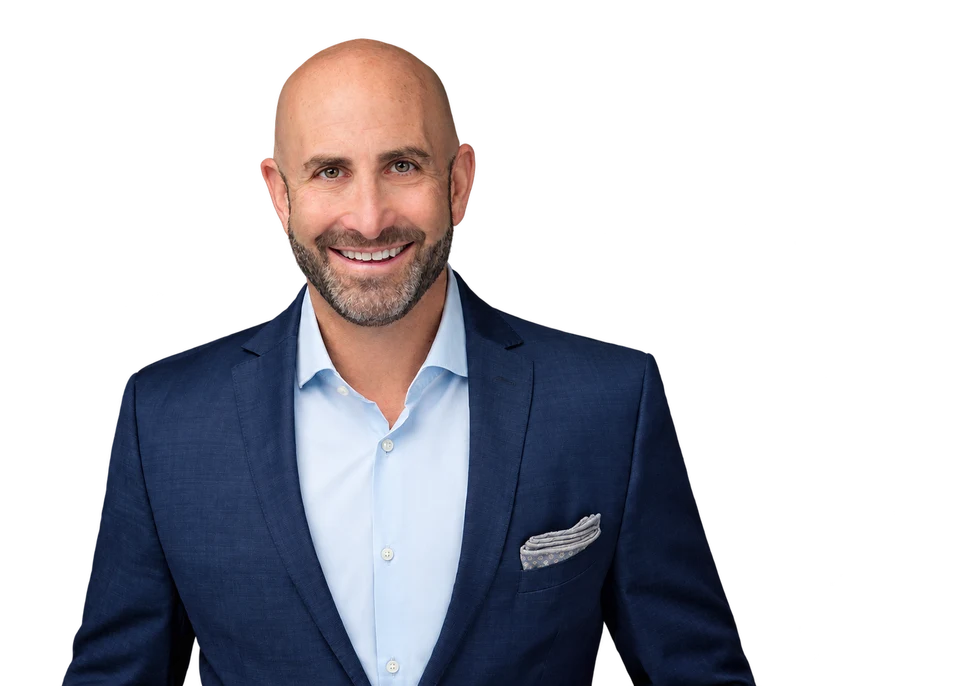
Jeff Symon
Jeff Symon founded AIM in 1997, beginning with retail merchandising, in-store product sampling and event marketing. His work spans brand launches, live experiences, media, U.S.–Mexico market entry and executive leadership. He remains directly involved in client strategy and assembling the teams that deliver it.
What does this mean for your business?
Bring your goals, questions and constraints. We’ll start there.
Talk through your next experienceExplore Experiential marketing.