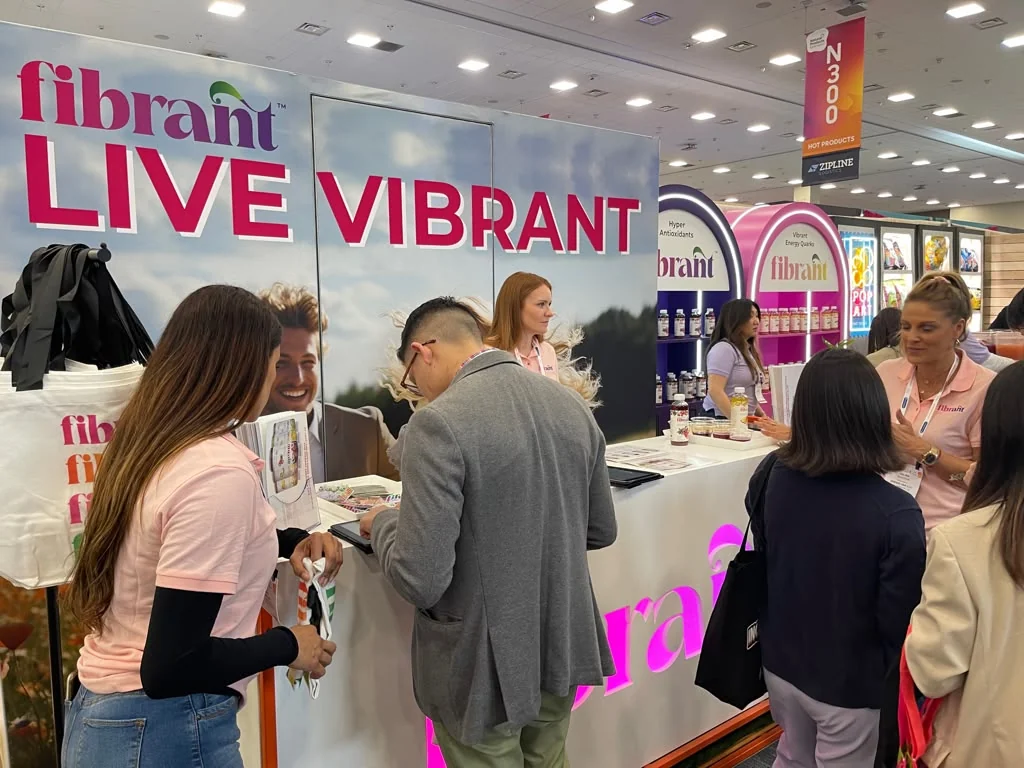
Experiential marketing
My experiential marketing brief starts before the big idea.
Before I choose a vehicle, venue or giveaway, I want to know what should change after someone meets the brand.
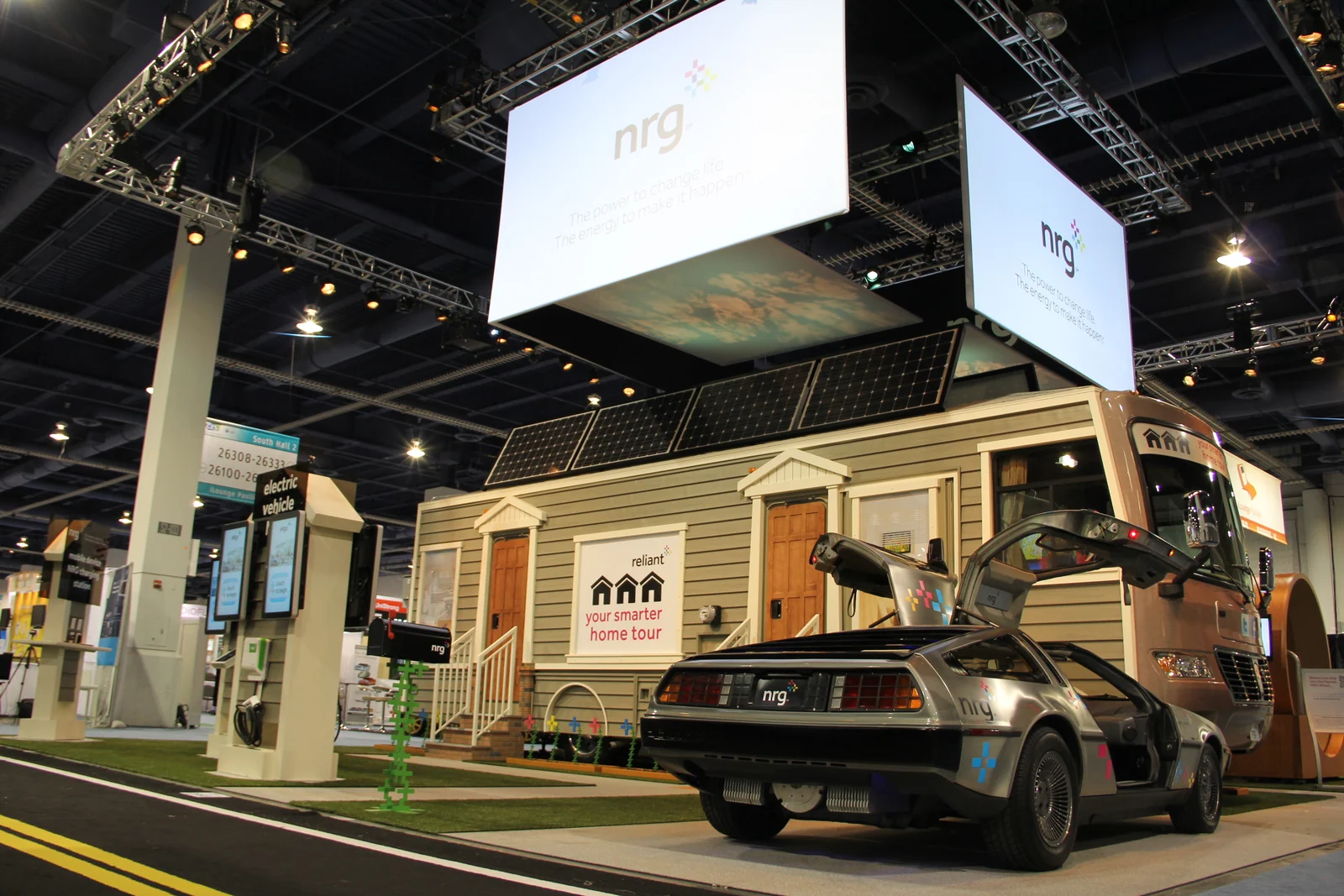
The key decisions
- Write the audience, market and desired action in one sentence.
- Bring staffing, product availability and logistics into the creative brief.
- Define meaningful interactions and assign follow-up ownership.
Start with the outcome you need.
A creative idea becomes more useful when everyone knows what it is meant to accomplish. My starting point for an experiential marketing brief is the business outcome: product trial, better understanding, a qualified conversation or another clear action.
I would write the objective in one sentence: we want this audience, in this market, to take this action because it supports this business goal. If the team cannot agree on that sentence, I would resolve it before adding production detail.
That reflects the approach behind AIM’s experiential marketing work. The opportunity I see in live marketing’s renewed momentum makes a disciplined brief more valuable.
Who is the experience for?
I want a specific audience and a reason the setting makes sense. A retail sampling program should connect the product with people who can buy it. A technology demonstration needs enough time and the right expertise to answer the questions that could affect a decision.
Consider a hypothetical food launch. The brief might prioritize first-time trial close to stocked stores. A business software demonstration might prioritize conversations with a smaller group of buyers. Both are live experiences, but the staffing, location, timing and next steps should look different.
I would also ask what might prevent participation: an unclear invitation, an inaccessible setup, a long queue or a language mismatch. Those details shape whether the intended audience can take part.
What should happen in the interaction?
I would describe the experience from the participant’s point of view. What brings them in? What can they try or ask? What should they understand when they leave? The team needs a clear answer before it decides how much space, equipment or content to produce.
A sample, demonstration and consultation ask for different amounts of attention. I would give the interaction enough room to be useful and make the promise easy for a trained representative to explain.
For me, an operationally realistic idea is essential to a strong brief. The people delivering it need the time, training and materials to do the work well.
Can the team deliver it consistently?
I would bring operations into the plan early: staffing, setup, product inventory, venue requirements, transport, local conditions and contingency decisions. Each moving part needs an owner.
For a roadshow, I would look at the entire route rather than treating each stop as an isolated event. Travel, replenishment and training affect what can be delivered at the next location. For a retail program, the store’s operating needs and product availability matter just as much as the consumer-facing idea.
The brief should make the decisions clear enough that the field team can respond when something changes. Knowing who can resolve an issue is part of delivering the brand promise.
Define success and the handoff.
I want the team to distinguish someone walking past, someone taking part and someone requesting a meaningful next step. Those observations answer different questions. Agreeing on the definitions before launch makes the results easier to interpret.
I would include the complete program cost and the follow-up responsibilities in the plan. That gives the business a more useful basis for reviewing performance than a headline count alone.
The next customer action should have an owner and a working route. If someone requests a demonstration, who responds? If someone wants to purchase, where can they find the product?
Then give the creative team room.
A focused brief should leave room for invention. Once the audience, outcome and practical constraints are clear, the creative team can explore the strongest way to bring the brand to life.
That is the sequence I would use: clarify the outcome, design the interaction, prepare the people and connect the follow-through. It gives a good idea a much better chance of becoming useful work.
From thinking to action
Put it to work.
Bring these three decisions to your next planning conversation.
Use this checklist as you plan.
Common questions
What should an experiential marketing brief include?
I would include the business objective, audience, market, desired interaction, operating requirements, budget, measures and follow-up owner. Those decisions guide the creative idea and the delivery plan.
When should operations join the process?
Early enough to shape what can be delivered. Staffing, transport, setup, inventory and venue requirements affect the experience itself.
How do I choose an activation format?
Start with what the audience needs to understand or do. Then compare formats against that task, the setting, available resources and the next customer action.
Sources & context
- AIM experiential marketing capabilities
Agency context for sampling, activations, field teams and roadshows.
- Jeff Symon’s background
Career and agency background informing this perspective.
Read our editorial standards for how we handle authorship, sources and corrections.
About the author
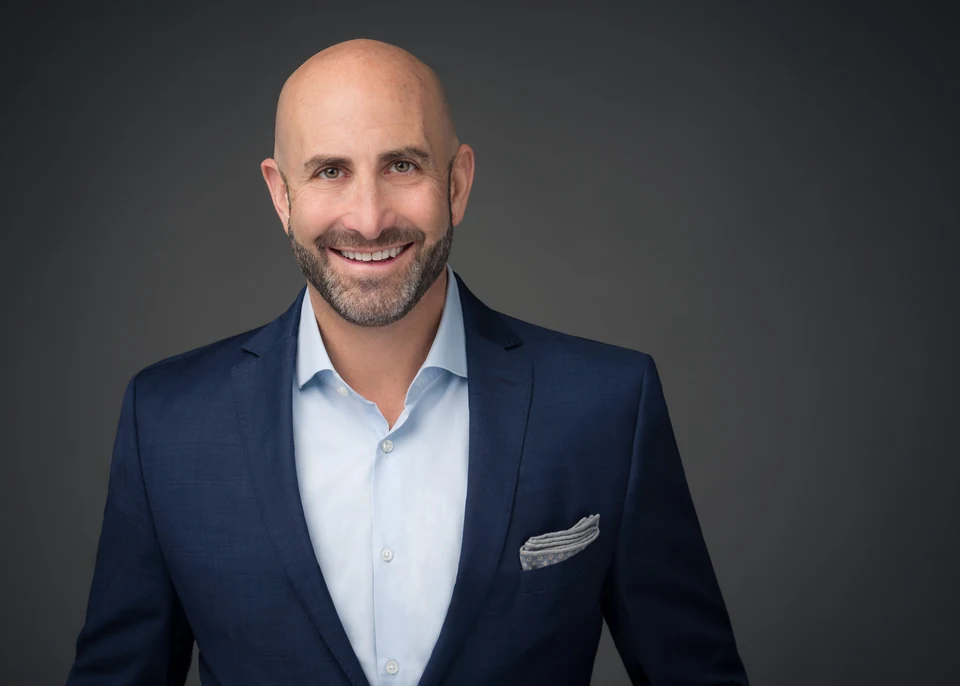
Jeff Symon
Jeff Symon founded AIM in 1997, beginning with retail merchandising, in-store product sampling and event marketing. His work spans brand launches, live experiences, media, U.S.–Mexico market entry and executive leadership. He remains directly involved in client strategy and assembling the teams that deliver it.
What does this mean for your business?
Bring your goals, questions and constraints. We’ll start there.
Talk through your next experienceExplore Experiential marketing.