Experiential marketing
How I connect live marketing to the next customer action.
The interaction may last a few minutes. I want the relationship to have somewhere useful to go next.
The key decisions
- Choose the next customer action before designing the activation.
- Give the receiving team the context needed for a relevant response.
- Measure participation, follow-through and business outcomes separately.
The next step belongs in the original brief.
When I think about a live marketing program, I start with the outcome we want to support. Someone might try a product, understand a service, ask for a demonstration or decide to visit a retailer. Each of those actions needs a different path after the encounter.
I would decide that path before choosing the giveaway or designing the registration form. If the experience creates interest and the next step is difficult, the program has left a practical problem for the customer to solve.
A live encounter can continue in several places.
OAAA research conducted with The Harris Poll and published in September 2026 reports that, among consumers who attended a live marketing event, 35% visited a website and 33% shared the experience on social media. The U.S. study analyzed adults aged 18–64. These are self-reported actions, not independently measured conversions.
I take a straightforward planning lesson from that: the live and digital parts of a campaign should work together. The person in front of the brand representative may also become the person searching for details that evening.
An event-specific landing page can answer the question that brought someone there. A store locator can point to a place where the product is available. A requested conversation can reach a sales team with the context needed to make it worthwhile.
Offer a useful next step, with a clear choice.
I would make the invitation specific. “See which model fits your needs” is more helpful than an unexplained QR code. “Find this product near you” sets a clear expectation. The destination needs to deliver on the invitation and work on the phone in someone’s hand.
For a follow-up conversation, I would ask for the information needed to respond well and explain what happens next. A person should understand what they are requesting. A prize draw, a product question and a sales enquiry are different intentions; I would keep that distinction in the handoff.
The field team should be able to explain the next step naturally. Technology should make the interaction easier to continue.
Pass the context along with the contact.
A useful enquiry includes more than an email address. I want the receiving team to know which experience the person attended, what interested them and what they asked for. That context can make the first follow-up more relevant.
Before launch, I would agree on who receives each type of enquiry, how it is assigned and what happens if it cannot be answered immediately. I would also test the journey myself: scan the code, use the form and check where the request arrives.
The same care applies when the desired action is a store visit or product trial. Check availability, location information and the instructions the customer will receive.
Measure the journey in distinct stages.
I would track participation, useful conversations, requested next steps and the outcomes the business can actually observe. Keeping those stages separate helps explain where the program is working and where it needs attention.
A busy activation with little follow-through may have a weak invitation or a poorly matched audience. Strong interest followed by missed conversations may reveal a handoff problem. Those are different decisions for the team to address.
Where practical, I would compare locations or periods carefully and account for other activity that could influence results. A purchase after an event is useful information; attributing that purchase entirely to the event needs stronger evidence.
Make the experience the beginning of something.
I see the renewed interest in live experiences as an opportunity to create relationships with a clear next step. My experiential planning brief starts with that outcome. AIM’s live marketing capabilities bring the people, logistics and follow-through into one plan.
The question I would leave with a brand team is simple: after someone has spent time with us, have we made it easy for them to act on the interest we have earned?
From thinking to action
Put it to work.
Bring these three decisions to your next planning conversation.
Use this checklist as you plan.
Common questions
How can live marketing support digital engagement?
I would give each experience a useful digital continuation: a product guide, store locator, relevant content or requested sales conversation. The invitation and destination should answer the same customer need.
Which event metrics matter?
The right measures depend on the objective. I would distinguish participation, meaningful interactions, requested next steps and observable business outcomes instead of treating every contact as a qualified lead.
How should an event lead reach sales?
With the person’s request, relevant contact details, event context and a clear owner. The receiving team should know what the person expects before it responds.
Sources & context
- OAAA / The Harris Poll — September 2026 research
Online U.S. survey; analysis focused on 1,474 adults aged 18–64. Reported website and social actions are self-reports.
- AIM experiential marketing
Context for integrated planning, field delivery and follow-through.
Read our editorial standards for how we handle authorship, sources and corrections.
About the author
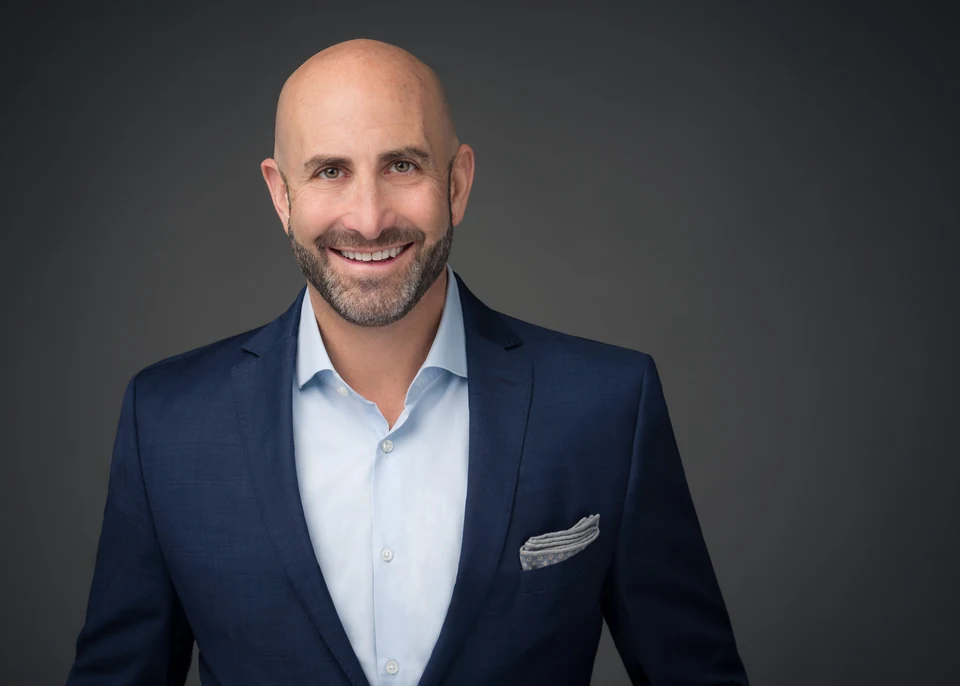
Jeff Symon
Jeff Symon founded AIM in 1997, beginning with retail merchandising, in-store product sampling and event marketing. His work spans brand launches, live experiences, media, U.S.–Mexico market entry and executive leadership. He remains directly involved in client strategy and assembling the teams that deliver it.
What does this mean for your business?
Bring your goals, questions and constraints. We’ll start there.
Talk through your next experienceExplore Experiential marketing.