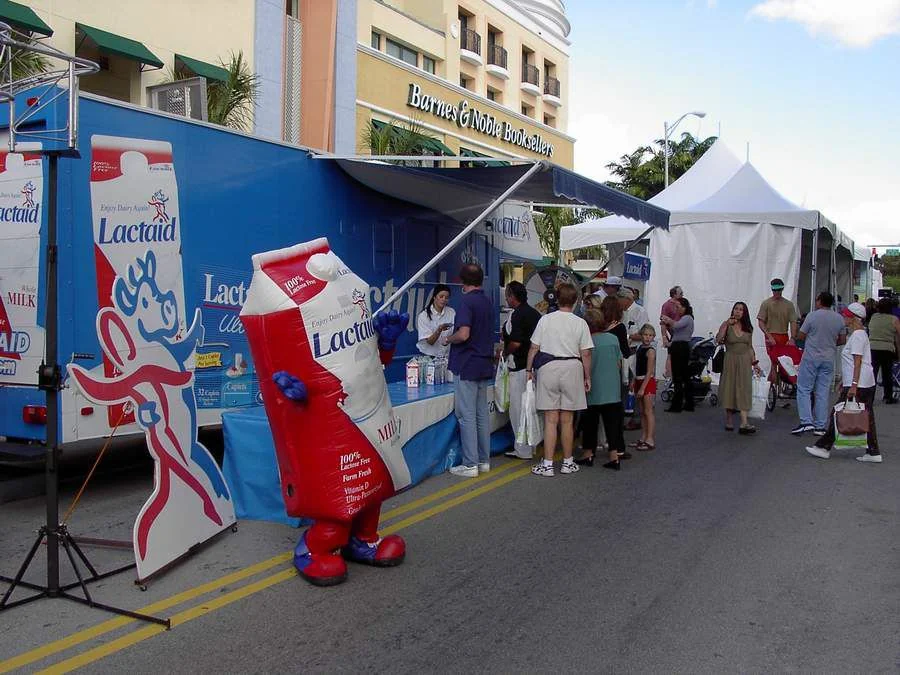
Lactaid sampling
A branded mobile sampling environment connecting a product with consumers at an outdoor event.
See the experiential galleryU.S. experiential marketing agency
Product sampling, brand activations and national roadshows, planned and delivered across the U.S.
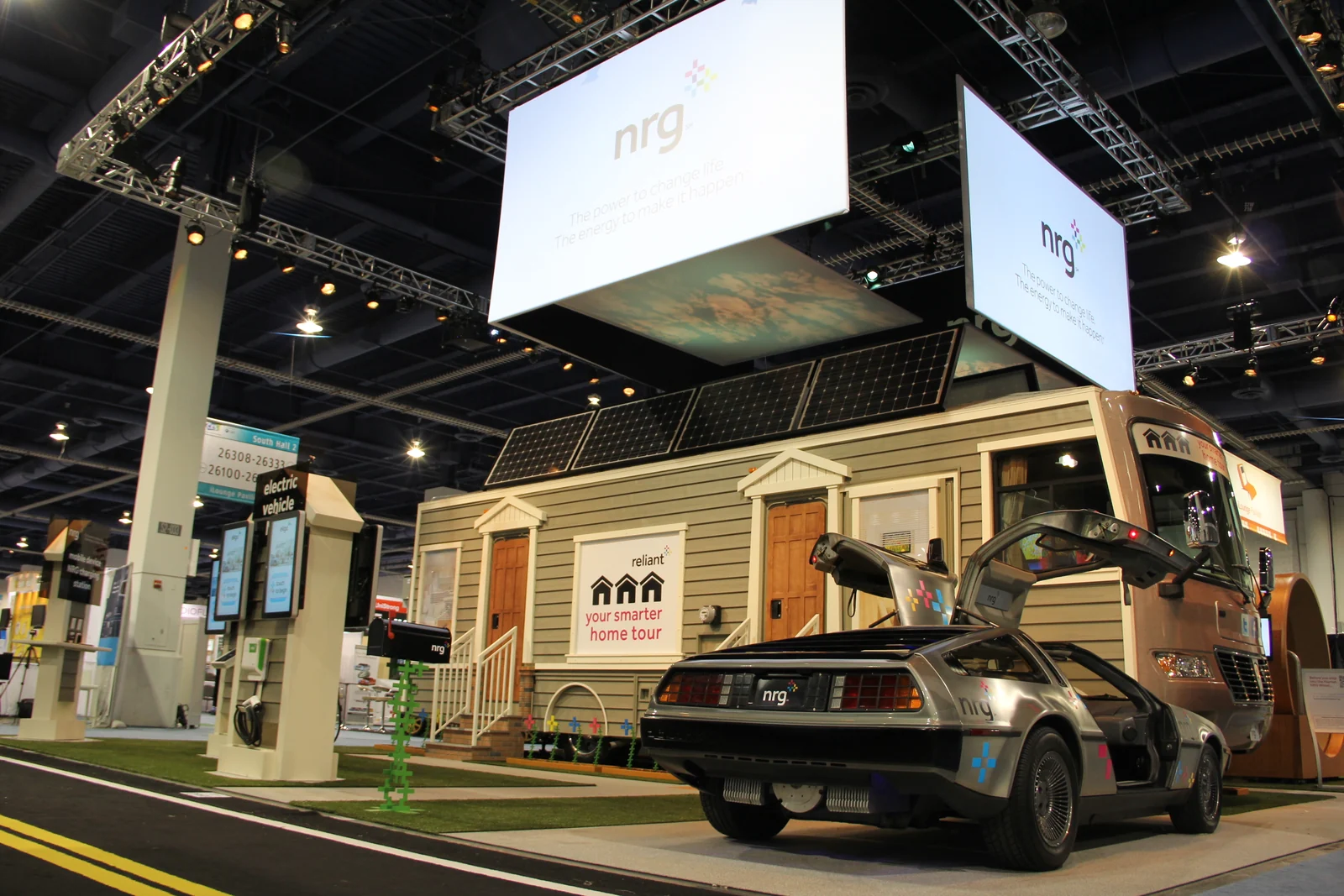
Pictured: NRG smart-home experience. Historical AIM work.
Tell us what you’re planning. Jeff and the AIM team will discuss the scope, timing and budget with you.
Since 1997Experience in the field
50+Branded roadshows created, staffed and deployed nationwide
20M+Face-to-face B2B & B2C interactions
Across AIM’s historical field programs. Explore our experience.Experience in the field
Founded in 1997, AIM began with retail merchandising, in-store sampling and event marketing for Dr Pepper/7UP. That operating experience informs how we recruit, train, manage and support field teams today.
A branded mobile sampling environment connecting a product with consumers at an outdoor event.
See the experiential gallery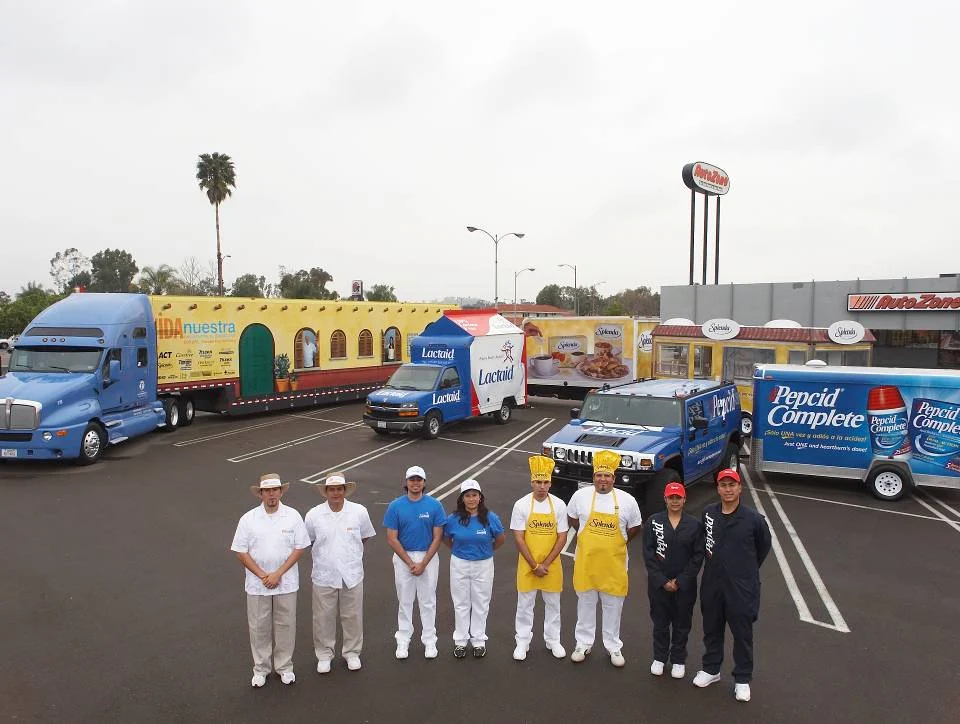
Branded vehicles and field teams coordinated as one program, taking live brand experiences from market to market.
Explore AIM’s field capabilities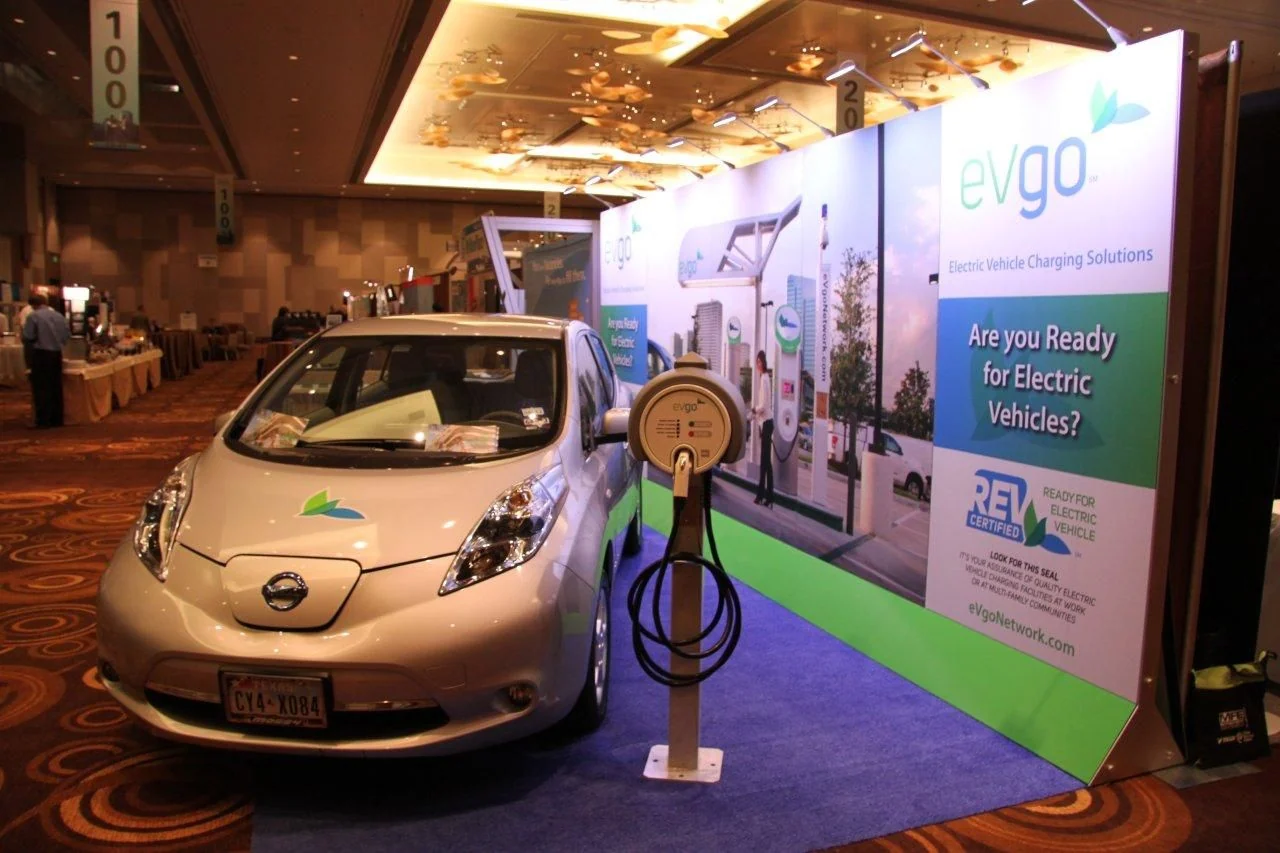
A trade-show demonstration bringing electric vehicle charging technology into a tangible, face-to-face experience.
View more campaign examplesSelected historical AIM work. Each new engagement is scoped around its own audience, locations and objectives.
Choose a starting point. We’ll carry it into your brief and shape the program around your audience, markets and goals.
Put the product in the right hands through sampling, retail demonstrations and trained brand ambassadors. Audience, location and product handling belong in the same plan.
Product sampling. Brand activations. Mobile tours.
Try a product. Understand a technology. Visit a retailer. Start a sales conversation. We build experiential marketing programs around the action that matters to your business, with a practical plan for delivering it in the field.
Get a product into the hands of relevant consumers through in-store sampling, hand-to-hand distribution and street teams. Your plan connects audience selection, product handling, locations, trained ambassadors and sample counts.
Take a repeatable brand experience from market to market. Coordinate branded vehicles, routing, transportation, staffing, replenishment and reporting under one national program.
Give people a reason to stop, participate and remember your brand. Connect the creative idea with live demonstrations, festivals, community events and launch experiences.
Make the exhibit work as a business development environment. Align demonstrations, staffing, lead qualification and follow-up responsibilities before the doors open.
Support the moment of purchase with retail demonstrations, merchandising and field teams. Establish training, site requirements and execution standards across participating locations.
Develop English- and Spanish-language creative, staffing and audience approaches with AIM’s U.S., Hispanic and Mexico market experience.
Plan the economics before the route
Production, transportation and training can serve multiple activations. A longer tour may spread those costs across more interactions, but mileage, labor, permits, storage, product requirements and downtime still matter.
We compare the full program cost with the expected audience and a clearly defined measure of success. A route should earn its place in the plan.
Total agreed program cost divided by verified qualifying interactions. Define the costs, the interaction and the counting method before launch.
Your estimate should show how the product, route and execution model affect cost, so you can compare program options on the same basis.
Know what is being delivered, who owns it and how the program will be evaluated.
Agree the audience, business goal, launch window, budget and what counts as a qualified interaction or lead.
Develop the creative, markets, venues, route, staffing model and logistics. Make responsibilities and assumptions explicit.
Train the team, confirm product and site requirements, and coordinate production and field execution.
Review delivery, qualified interactions, samples, lead quality and cost against the agreed plan. Use the findings to improve subsequent activations.
Need to connect the experience with ongoing demand? Explore SEO and AI visibility services, or bring in fractional marketing leadership to guide the wider launch.
The cost depends on the format, markets, duration, staffing, production and product-handling requirements. Start with your objective and budget range so the proposed program can show the scope, operating assumptions and measurement approach. Single-market tests and national tours need different cost structures.
Yes. A single-market program can test audience response, staffing, product handling and measurement before a wider rollout. AIM can plan Los Angeles product sampling or another selected U.S. market as part of the brief.
Yes. AIM supports programs across the United States, including Hawaii. Market selection, venue access, travel, product handling and local requirements are assessed during planning; the final route and deployment schedule depend on the brief.
Share the product, target audience, desired markets, launch window, budget range and business objective. Add any existing creative, venue commitments, handling requirements and sales or lead-tracking arrangements.
Share your target date early. The workable schedule depends on production, venues and permits, staffing, product handling and market count. We’ll assess those requirements before confirming a launch plan.
Choose measures that match the objective: verified interactions, samples distributed, demonstrations, qualified leads, participation or attributable follow-up. Sales attribution depends on the retailer, CRM and tracking available; it should be agreed before the program begins.
Start with the total cost of reaching the right audience. Reusing production, clustering nearby locations, improving staffing schedules and matching inventory to demand can improve efficiency. A longer tour only helps when the additional reach justifies its incremental operating costs.
An experiential marketing agency creates and delivers live interactions between a brand and its audience. AIM’s work can include strategy, creative, production coordination, ambassadors, sampling, route planning, field operations and reporting, with responsibilities defined for each engagement.
Tell us your product, markets and timing. We’ll discuss the scope and develop a proposed solution around your goals and budget.
Plan my activation →Prefer email? Email Jeff directly. All AIM contact details.