
Markets & audiences
Entering Mexico? I would test market readiness before the campaign.
A launch can create interest quickly. I want the business ready to serve the interest it creates.

The key decisions
- Connect audience relevance with the route to purchase.
- Use live interactions to test assumptions without overstating what they prove.
- Prepare local delivery and follow-up before generating demand.
Start with how the customer will buy.
For a brand entering Mexico, I would begin with the customer’s route to purchase. Who is the audience, where will they find the product or service, and what needs to happen for them to become a customer?
The answers should shape the marketing plan. Product availability, distribution, customer support and the local buying context all affect what a campaign can usefully promise.
My background includes living and operating in Mexico and working across international markets. That is why I put the operating plan alongside the brand and creative conversation from the beginning.
Treat local relevance as part of the strategy.
I would look beyond translating an existing message. The team needs to understand what the audience values, what might cause hesitation and where the brand fits in the local market.
Language, examples, channels and the people representing the brand should make sense to that audience. I would test the central assumptions with people who understand the market before committing to a broad rollout.
A market-entry plan becomes more useful when it states what the business knows, what it still needs to learn and which decisions depend on that learning.
Use a live experience to learn as well as introduce.
A well-designed demonstration or sampling program can give a brand direct contact with prospective customers. I would use that opportunity to listen: what do people ask, what is difficult to explain and what makes the offer relevant?
Those conversations can inform the next version of the message and experience. They are directional learning from the people who participated. I would avoid treating an enthusiastic event audience as a representative sample of an entire market.
AIM’s published work includes Airbnb’s launch in Mexico and Latin America. It is part of the agency context behind our market-entry work, rather than a promise that another brand will achieve the same outcome.
Make sure the next step can be delivered.
Before an activation goes live, I would check the details from the customer’s perspective. Can someone find the product? Does the landing page answer the local questions? Can the receiving team respond in the right language and with the right information?
I would assign responsibility for the handoff between local teams, partners and the business at home. Clear ownership helps avoid a campaign generating requests that no one is prepared to handle.
The right specialists should review the requirements that apply to the product, promotion and market. Marketing should work within that readiness plan.
Learn at a scale the business can support.
I would prefer a focused initial program with clear learning goals over a broad launch built on unresolved assumptions. Select the audience and locations deliberately, prepare the team and agree on how results will change the next decision.
Review both the customer response and the quality of delivery. A useful message cannot compensate for an unavailable product; a sound distribution plan still needs an offer people understand.
My approach brings those pieces into one conversation. The live marketing brief and the plan for the next customer action are practical starting points for connecting market entry with execution.
From thinking to action
Put it to work.
Bring these three decisions to your next planning conversation.
Use this checklist as you plan.
Common questions
What should come before a Mexico launch campaign?
I would establish the audience, route to purchase, local relevance, operating readiness and ownership of customer follow-up. Those decisions make the campaign more useful.
How can experiential marketing support market entry?
It can let prospective customers try, question and understand the offer while the brand learns from direct conversations. I would use that learning alongside broader market research.
Is translation enough to localize a campaign?
I would also consider the buying context, cultural relevance, channel choices and the people delivering the experience. Language is one part of a locally useful offer.
Sources & context
- Jeff Symon’s international experience
Background for work in Mexico and across international markets.
- AIM’s published campaign work
Agency context for the Airbnb Mexico and Latin America example.
- AIM experiential marketing
Capabilities for local activation, field delivery and integrated execution.
Read our editorial standards for how we handle authorship, sources and corrections.
About the author
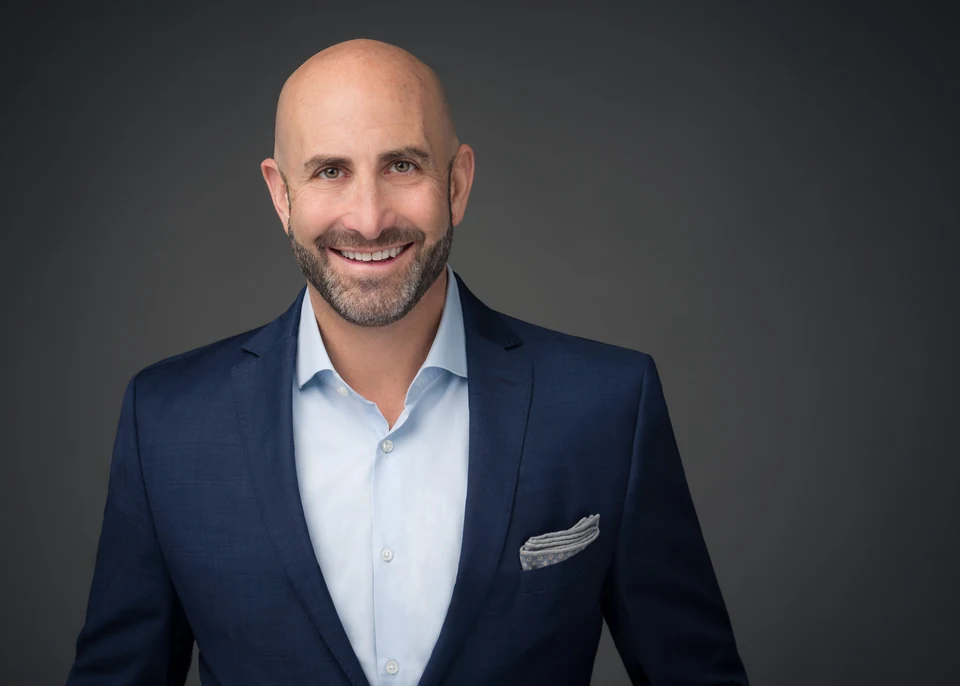
Jeff Symon
Jeff Symon founded AIM in 1997, beginning with retail merchandising, in-store product sampling and event marketing. His work spans brand launches, live experiences, media, U.S.–Mexico market entry and executive leadership. He remains directly involved in client strategy and assembling the teams that deliver it.
What does this mean for your business?
Bring your goals, questions and constraints. We’ll start there.
Talk through your market opportunityExplore Experiential marketing.