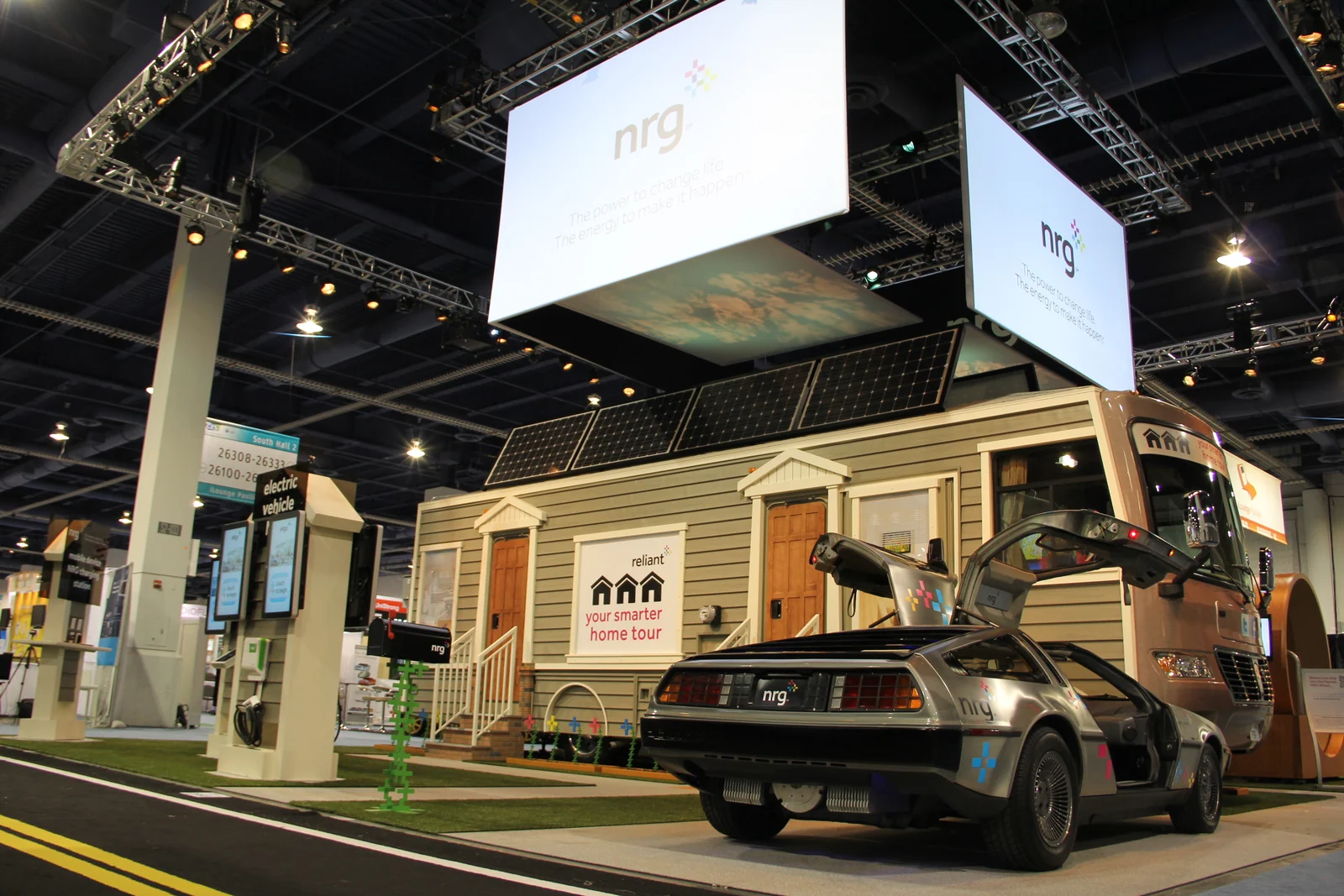
Experiential marketing
Experiential marketing in 2026: why I see renewed momentum.
People want something they can try, question and experience together. I see a real opening for brands that make those encounters useful.
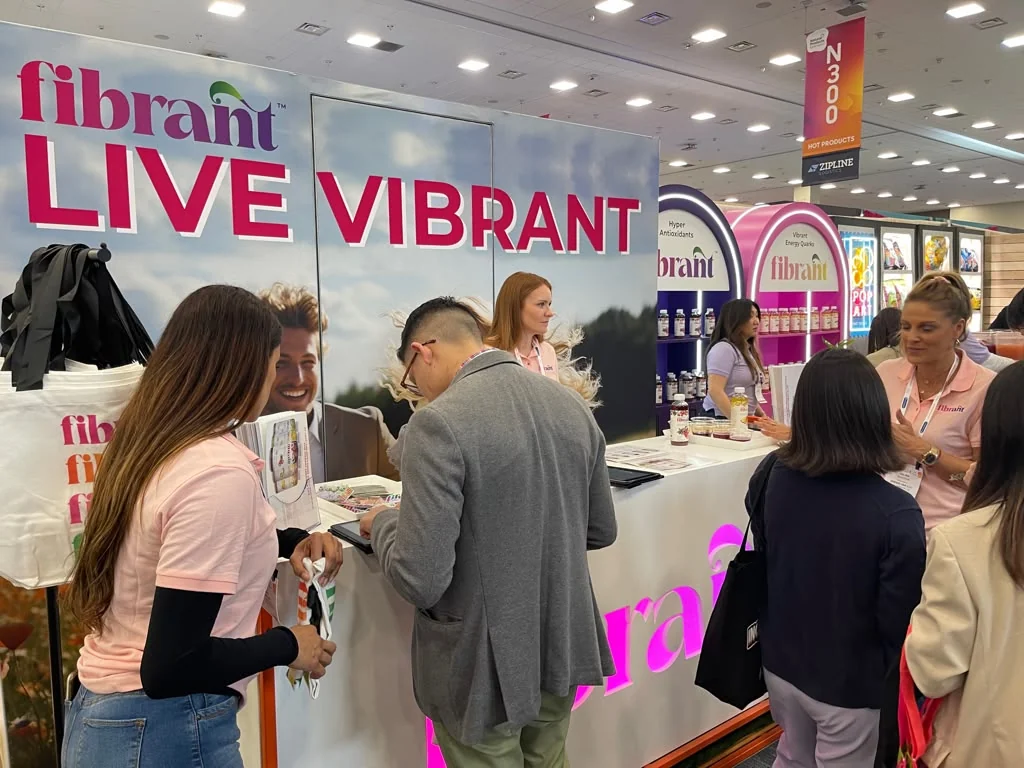
The key decisions
- Create a useful interaction people have a reason to join.
- Treat research on interest and intent as context, then measure your own program.
- Connect trained people, product availability and follow-up before launch.
Why does live marketing deserve another look?
I believe experiential marketing deserves a bigger role in the brand plan. A live encounter gives someone the chance to try a product, ask a difficult question and decide whether the promise feels credible. That is a different kind of attention from an impression on a screen.
I founded AIM in 1997. We began with retail merchandising, in-store product sampling and event marketing. Putting people in direct contact with a product is part of our foundation. My interest in the current momentum comes from that practical starting point: what can a person understand or do after this experience that they could not do before it?
By a comeback, I mean renewed interest in being there and participating. I would judge the opportunity by the quality of the encounter and its connection to a business objective.
What the research tells me—and what it does not.
EventTrack 2026, presented by Sparks and Event Marketer, reports that 57% of B2B and B2C attendees, on average, expect to increase their event attendance. Its public summary also says 61% of consumers feel more inclined to purchase after a live event. These are signals of intention, not audited attendance growth or a sales forecast.
The 2025 Freeman Trust Report, developed with The Harris Poll, examines how in-person events influence brand trust among working professionals and event decision makers. I see that as relevant context for B2B experiences, with a different audience from a consumer sampling campaign.
My reading is that brands have an opportunity to earn a more considered interaction. The research gives us a reason to investigate that opportunity; the program still has to prove its value.
Give people a reason to participate.
I would begin with a simple question: why would this person stop? A sample can remove uncertainty about taste. A demonstration can make an unfamiliar technology understandable. A knowledgeable brand representative can answer a question a customer has been unable to resolve online.
The experience should repay the time someone gives it. For a busy commuter, that might mean a useful thirty-second interaction. For a business buyer, it might mean enough time to explore a product with the right specialist. I would choose the format around that need.
A beautiful installation may attract a crowd. I still want to know what people take away, what they can act on and whether the team can deliver the promise consistently.
Build the people and the next step into the idea.
The people representing a brand are part of the experience. They need to understand the product, listen, explain it clearly and recognize when a conversation needs a specialist. I would put training, staffing and a workable operating plan into the brief from the beginning.
I also want the next step ready before the first interaction. A retailer should have the product. A requested demonstration should reach the right sales team. A person who asks for more information should receive something relevant to the question they actually asked.
That is how I approach experiential marketing at AIM: connect the business outcome, the live interaction and the work that follows. My planning brief sets out the decisions I would make first.
The opportunity I would act on.
I would start with a clearly defined audience, a useful interaction and a manageable test. Agree on the result that matters, give the field team the resources to deliver, and use what you learn to improve the next activation.
The renewed interest in live marketing is a reason to be thoughtful about where a brand can help people understand, experience and choose. That is the kind of growth I want an experiential program to support.
From thinking to action
Put it to work.
Bring these three decisions to your next planning conversation.
Use this checklist as you plan.
Common questions
Is experiential marketing making a comeback?
Recent event research points to renewed appetite for attendance and positive responses to live experiences. My view is that this creates an opportunity for brands, but survey intentions should not be treated as proof of growth or guaranteed sales.
What makes a live brand experience effective?
I look for a relevant audience, a useful activity or demonstration, well-prepared people and a clear next step. The experience should help someone understand or do something that matters to them.
Where should a brand start?
Define the business outcome and audience first. Choose one interaction you can deliver well, agree on measurement and test it before expanding.
Sources & context
- EventTrack 2026 — Sparks and Event Marketer
Industry research summary on intended attendance and purchase inclination. These measures do not establish causal sales lift.
- 2025 Freeman Trust Report
Research context on live events and brand trust among working professionals and event decision makers.
- AIM’s experiential marketing work
Agency background, program capabilities and examples of live work.
- Jeff Symon’s background
Source for AIM’s founding and Jeff’s career context.
Read our editorial standards for how we handle authorship, sources and corrections.
About the author
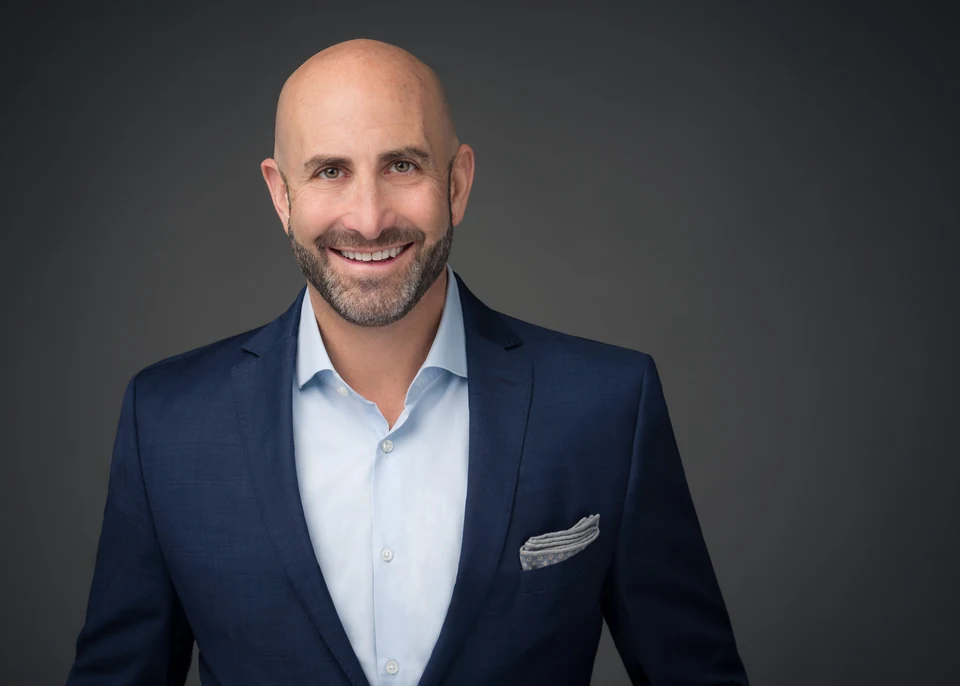
Jeff Symon
Jeff Symon founded AIM in 1997, beginning with retail merchandising, in-store product sampling and event marketing. His work spans brand launches, live experiences, media, U.S.–Mexico market entry and executive leadership. He remains directly involved in client strategy and assembling the teams that deliver it.
What does this mean for your business?
Bring your goals, questions and constraints. We’ll start there.
Talk through your next experienceExplore Experiential marketing.