
Search & AI visibility
Why local brands need visibility in ChatGPT and Claude.
Local brands need clear, current information wherever customers research a decision. ChatGPT and Claude can now draw on the web, adding another route to discovery. I would prepare by strengthening the facts, evidence and customer journey already under the business’s control.

The key decisions
- Prepare for a customer comparing specific needs, locations and constraints, not only searching for your business name.
- Make accurate service details, credible evidence and a useful next step available on your own website and relevant profiles.
- Start with one valuable customer journey and measure qualified enquiries; an isolated AI mention is not proof of business growth.
What has changed about the way a local brand can be discovered?
A local business does not need to become an AI company. It does need to be understandable when a prospective customer asks for help choosing. I would treat conversational search as another place where a customer might build a shortlist, alongside search results, maps, recommendations and real-world encounters.
OpenAI explains that ChatGPT can search for current information, link to sources and use location information for local results. Anthropic describes web search in Claude as a way to provide cited, current answers, including helping shoppers compare products, prices and reviews. Those are capabilities, not evidence that every customer uses them or that every answer searches the web.
The business implication, in my view, is straightforward: a person can ask a detailed buying question before deciding which company’s website to visit. Your information needs to help with that decision. I would not wait for a precise forecast of AI’s share of local search before correcting an incomplete service page or an out-of-date opening time. Those repairs help today’s customers too.
The question is more specific than “Who is nearby?”
Consider a hypothetical local catering company. A customer might ask for lunch delivery for 30 people near a particular office, with vegetarian options, a fixed budget and a deadline. A page saying “exceptional food for every occasion” gives very little help. The useful facts are delivery areas, minimum orders, menu options, lead times and the way a quote is confirmed.
Start with this exercise with the owner: write five questions a serious buyer asks before making contact. Start with questions the team actually hears by phone, email or in person. Separate what the customer must know to choose from what your team needs to know to price the assignment.
A local showroom might need to explain appointments, product availability and installation coverage. A neighborhood retailer might need to distinguish stock held in store from items available to order. Neither needs to pretend to serve every city. Each needs to make its real offer easy to assess. My guide to local website content turns those questions into a page plan.
I would look at discovery, confidence and action separately
Being named in an answer is only one moment in a longer journey. I would review three separate jobs before calling a visibility program successful:
- Discovery: can someone looking for the service and location find an accurate description of what the business actually does?
- Confidence: can that person verify the important details through real work, named expertise, current information and appropriate customer evidence?
- Action: can the person call, request a quote, book or visit without having to resolve conflicting instructions?
These jobs can fail independently. A business may get attention but send visitors to a broken booking link. It may offer excellent service while publishing no evidence of it. Or it may receive enquiries from places it cannot serve because the website describes its coverage too broadly. I would fix the specific break rather than commission more content by default.
For an AI-assisted journey, I would also check whether a response describes the business accurately. A mention paired with a wrong service, outdated price or incorrect location is a correction task, not an uncomplicated win. Open the cited pages and look for the underlying discrepancy before changing the marketing plan.
A sensible first month starts with one customer journey
I would choose one commercially important service and a real area the business serves. The aim of the first month is a better information system and a usable baseline, not a promised ranking deadline.
- First, establish the facts. Have the owner or service lead confirm the offer, service area, hours, contact details, qualifications and current constraints. Record where those facts are published.
- Next, improve the decision page. Answer the key buying questions, show relevant evidence with permission, and explain exactly what happens after an enquiry.
- Then, align the supporting routes. Correct relevant business profiles and genuine directory listings. Make sure ordinary links lead to the right service page and the right contact route.
- Finally, test and assign ownership. Check the page on a phone, submit a clearly marked internal test through an agreed process, confirm who receives it, and agree when the information will be reviewed.
Keep a short change log and a responsible person for each fact. When the business changes its hours or stops offering a service, that person should know which pages and profiles need updating. Maintaining a few useful pages is more valuable than publishing a large library nobody owns.
Does AI visibility replace local SEO?
I would keep the work connected. Google’s guidance for its AI search features says established SEO practices remain relevant and special AI files or markup are not required. That statement concerns Google’s features; it is not a shared ranking formula for every assistant.
For the business, there is substantial practical overlap: clear text, accessible pages, accurate profiles and useful evidence. But the platforms do not expose a single universal recommendation score. Ask a partner to explain which system a claim concerns and what observation supports it.
An offer to make a company “number one in AI” needs more scrutiny than a concrete plan to fix missing service information, improve crawling and measure enquiries. Ask what will be delivered, who will approve the business facts, what remains uncertain and how progress will be judged. The technical readiness guide separates website access from promises of selection.
Keep the commercial outcome in view
A good starting report would connect the work to relevant enquiries and the team’s ability to serve them. The review should establish whether enquiries concern the right service, come from an appropriate area and reach someone who can respond. A larger number of unsuitable leads is not the outcome I would buy.
Record what can be observed and leave unknowns visible. Website referral data, a customer’s own account of how they found you and a small set of repeatable search checks provide different pieces of evidence. None is a complete record of the journey. The AI visibility measurement guide explains how I would combine them without turning a mention count into a revenue claim.
My starting position is to make the business easier to understand, easier to trust and easier to contact. If you want to work through where that journey is breaking, bring AIM your priority service, market and current website. We can define the first improvements around the customers you actually want to reach.
From thinking to action
Put it to work.
Bring these three decisions to your next planning conversation.
Use this checklist as you plan.
Common questions
Can a local business appear in ChatGPT or Claude answers?
Both products support web search that can use current online information and cite sources. Whether a particular business appears depends on the question, available information and the platform’s response. Publishing accurate information improves the material available to customers; it does not guarantee a recommendation.
Should a small local brand prioritize AI visibility over its website?
I would start with the website and important business profiles. Clear service details, real local coverage, evidence and a working contact path help customers across channels and give a visibility program something reliable to build on.
How quickly should we expect results from local AI visibility work?
Information and technical improvements can have clear delivery dates. Crawling, inclusion in answers and new customer enquiries do not have a guaranteed timetable. Establish a baseline and review qualified enquiries alongside the work completed, rather than promising a ranking by a fixed date.
Sources & context
- OpenAI: Searching the web with ChatGPT
Official explanation of web search, sources and location-aware results, checked November 10, 2026. Product capability is not a measure of local adoption or a placement guarantee.
- Anthropic: Claude can now search the web
Official announcement and availability update describing cited web answers and shopping comparisons. Used for capability context, not market-share or growth statistics.
- Google Search Central: AI features and your website
Google-specific guidance on SEO foundations and its AI search features. It does not define ChatGPT or Claude recommendation criteria.
Read our editorial standards for how we handle authorship, sources and corrections.
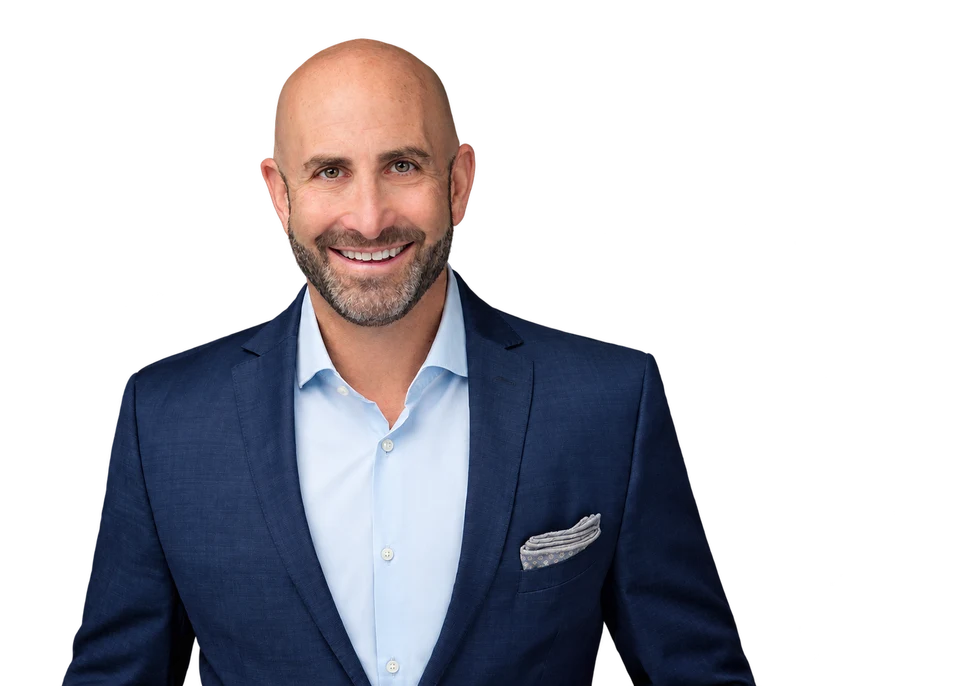
About the author
Jeff Symon
Jeff Symon founded AIM in 1997, beginning with retail merchandising, in-store product sampling and event marketing. His work spans brand launches, live experiences, media, U.S.–Mexico market entry and executive leadership. He remains directly involved in client strategy and assembling the teams that deliver it.
What does this mean for your business?
Bring your goals, questions and constraints. We’ll start there.
Talk through your local visibilityExplore SEO & AEO services.